Sun, 29 Jan 2012

11:35 PM - Passivation â?? Proper Equipment Cleaning is Vital to the Medical Community
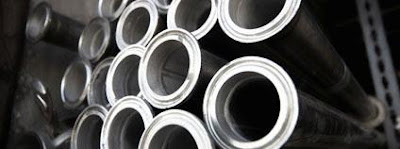
Passivation

When it comes to medicine one of the most important things that needs to be cared for that is left in the background of the medical profession is making sure that equipment is clean. Passivation is often used for deep cleaning of the metal on medical equipment leaving no chance of an unclean surface being left behind. It is vital that the equipment be germ free and ready for use in the medical facility and this is one way to ensure that this is done. Patients rely on the medical equipment being safe for their use.


Using Passivation for cleaning of medical equipment is an impressive step that the medical community has taken to get the best results possible. Disinfecting the equipment is the only way to ensure that the patients are not being left at risk for infection or disease or the transfer of illness. Without these securities it would be impossible to ensure that each patient was safe from harm and able to undergo procedures that could save their lives. Sending out equipment for this process is costly but is certainly worth the payback.


Regardless of how the medical device cleaning is accomplished it is the facilities job to ensure the each patient is protected from risk and this is something many patients likely take for granted. Hospitals are an excellent example of a location where patients could easily be at risk for thousands of illnesses, disease and infection daily. Hundreds of people move through a hospital every day and not maintaining clean equipment would cause major havoc on the systems set up to help the patients. Not only do patients come in contact with the equipment but hundreds of employees, visitors and other passersby that go through the facility.


While doctor's offices and clinics have a much smaller volume of individuals at risk through the doors in a day it is still essential that the medical device cleaning procedures be set and adhered to on a daily basis. Clinics, in particular, are often faced with an overwhelming number of individuals with health issues that could be easily spread from patient to patient without proper cleaning of the equipment. Making sure that the time is taken to care for the equipment on a regular basis is all that stands between the patients and outbreaks of substantial potential. Taking the time to decide on a procedure and sticking with it is the only way of making it standard and a part of the routine ensuring it is consistently accomplished.

tags: passivation steel medical cleaning stainless device passivate passivating

()

11:37 PM - Passivation â?? Proper Equipment Cleaning is Vital to the Medical Community

Passivation

When it comes to medicine one of the most important things that needs to be cared for that is left in the background of the medical profession is making sure that equipment is clean. Passivation is often used for deep cleaning of the metal on medical equipment leaving no chance of an unclean surface being left behind. It is vital that the equipment be germ free and ready for use in the medical facility and this is one way to ensure that this is done. Patients rely on the medical equipment being safe for their use.


Using Passivation for cleaning of medical equipment is an impressive step that the medical community has taken to get the best results possible. Disinfecting the equipment is the only way to ensure that the patients are not being left at risk for infection or disease or the transfer of illness. Without these securities it would be impossible to ensure that each patient was safe from harm and able to undergo procedures that could save their lives. Sending out equipment for this process is costly but is certainly worth the payback.


Regardless of how the medical device cleaning is accomplished it is the facilities job to ensure the each patient is protected from risk and this is something many patients likely take for granted. Hospitals are an excellent example of a location where patients could easily be at risk for thousands of illnesses, disease and infection daily. Hundreds of people move through a hospital every day and not maintaining clean equipment would cause major havoc on the systems set up to help the patients. Not only do patients come in contact with the equipment but hundreds of employees, visitors and other passersby that go through the facility.


While doctor's offices and clinics have a much smaller volume of individuals at risk through the doors in a day it is still essential that the medical device cleaning procedures be set and adhered to on a daily basis. Clinics, in particular, are often faced with an overwhelming number of individuals with health issues that could be easily spread from patient to patient without proper cleaning of the equipment. Making sure that the time is taken to care for the equipment on a regular basis is all that stands between the patients and outbreaks of substantial potential. Taking the time to decide on a procedure and sticking with it is the only way of making it standard and a part of the routine ensuring it is consistently accomplished.

tags: stainless steel device passivation cleaning medical passivate passivating

()

Tue, 21 Feb 2012

3:55 AM - Passivation â??Sterilize Your Tools

Passivation

When you are working in the medical field, cleanliness is not just next to godliness; it's everything. Back before sterilization became a normal part of practicing medicine, more people died of infection from treatment than from their original injuries or diseases. These days sterilization is pretty commonplace, and almost reflexive. Passivation is a part of the process that helps with medical device cleaning. This is a process that forms a protective coating over metal in order to strengthen it, improve its appearance and give it a smoother surface, which in turn gives bacteria less places to hide. It can, more importantly, prevent infection and promote sterility.

The most common passivation technique is to use metal oxides to form a protective layer over the metal instrument in order to protect it from corrosion, to strengthen it against damage, and to make it easier to sterilize. This is an important step in medical device cleaning to make sure that the instruments being used are effectively disinfected every time you clean them. This ensures that the next patient the instruments used on is not exposed to the germs and other contaminants that the previous patient was carrying. Sterility is extremely important in the control and prevention of disease.

Passivation is not only important for the health of the patients, but also for the health of the physicians and medical personnel such as nurses and medical assistants. These are the people who are handling these tools all day who have to perform the actual medical device cleaning. These are the people who are exposed to the most contaminants because they are dealing with multiple patients throughout the day. If you want to protect your own health, then you should be thankful that these procedures exist. They exist to protect you from infection, as well as to protect the patients that these tools are being used on.

Most laymen don't know much about passivation, but that does not mean that they don't benefit from it. It is good that such a technique exists to prevent the spread of disease, and not everyone has to know what it is in order for it to be effective. But if you have to do any medical device cleaning, you should be thankful for it, and for the protection it affords to you. And it also makes it a lot easier for you to keep your tools and devices clean and germ-free to prevent the spread of disease.

tags: passivation passivating stainless steel cleaning device passivate medical

()

Fri, 27 Apr 2012

3:48 AM - Passivation and Medical Device Cleaning

Passivation,Passivation of stainless steel

Ultra Pass® passivation - Is to produce high surface chromium levels creating the best corrosion resistant passive surface. In physical chemistry and engineering, passivation is the material getting passive without being affected by environmental factors such as air or water. It is a technique that uses a light coat of material like metal oxide for creating a shell against corrosion. It helps to strengthen and preserve the appearance of metallic's. Passivation is such a procedure that occurs in certain conditions and used in microelectronics for enhancing silicon. The procedure is done on materials like silicon, aluminum, stainless steel and nickel to make them more passive and resistant to corrosion.

Passivation is usually done by creating a surface film that causes the surface to lose its chemical reactivity. This causes the metal to corrode at much lower rate than its usual rate. In case of stainless steel, passivation occurs when free iron, oxide scale, rust, iron particles, metal chips and other non-volatile deposits start affecting the stability of the surface, the operation of a part, component or system contaminating the process fluid.

In the passivation of silicon, aluminum, stainless steel and nickel, the materials may spontaneously form a chemically inactive surface when exposed to air or other environments containing oxygen. Most often, passivation removes iron compounds from the surface of the material using a chemical dissolution that may contain citric acid solution.

The field of medical science uses various medical devices that are crucial to diagnose, monitor or treat different conditions. The devices follow rigorous safety standards and ensure the safety of the patients. Usually, the medical devices used may be categorized as

· Diagnostic. These are used to identify the disease and include ultrasound, MRI, X-ray, PET and CT scanners.

· Therapeutic. These help the patients during and after the surgery and include lasers, infusion pump and LASIK devices.

· Life support. These help a patient to maintain their body functions and include cardiovascular devices, ventilators, dialysis devices, ECMO and anesthetics.

· Monitors. These include EEG, ECG, etc. that help the surgeons to evaluate the state of the patient by keeping account of their blood pressure and pulses.

· Medical laboratory. These devices are used to analyze urine, blood and genes.

It is important to carry out medical device cleaning so that the devices provide long-term service and do not spread infection. Devices that are to be reused should be disinfected by cleaning them with a disinfectant solution. This helps to remove the smallest of the contaminant quantities. In case, of larger medical devices, one may take the services of service centers who specialize in such procedures.

tags: device cleaning medical passivation

()