Thu, 24 May 2012

3:01 AM - Passivation for Protection, Nitric Acid Passivation for Strength

Corrosion is all around us; it can cause metal to rust, can lead to batteries leaking fluid, and can cause untold damage to vehicles, bridges or other structures. Passivation is the coating of a surface to prevent corrosion, and is used frequently in electronics. Some types of substances are naturally passive to corrosion, including aluminum, steel and nickel. Nitric acid passivation is a great way to use a common and useful chemical for a greater purpose. However, great care must be taken when using nitric acid, as this chemical can be extremely dangerous. It is not recommended that you use this at home.

Those that are interested in passivation, but also need to find ways to clean their metals often turn to nitric acid passivation techniques, as it will not remove the underlying strength of the metal itself, and nitric acid is a powerful cleaner. Nitric acid is used to test gold, can protect stainless steel from types of corrosion, and is very effective in passivation. However, there are many federal and state safety requirements that must be met when working with this chemical, as it can be toxic in the wrong conditions. Oxidizing the surface of metal requires a great deal of skill.

Passivation In the search for the perfect Passivation technique that reduces corrosion without harming the metal; many companies turn to nitric acid passivation, as nitric acid is readily available. The corrosion of stainless steel has cost many industries millions of dollars, and passivation is a useful technique that can reduce the amount of waste caused by corrosion, and improve the strength of metal. Those in the metal industries rely upon ever-improving passivation methods, and have weighed the benefits of using nitric acid as opposed to other methods such as citric acid. Depending upon the ph levels of the metals, results may vary.

When it comes to cleaning the metal and using passivation, there are many sources that can help provide information. The EPA has done a great deal of research regarding the effectiveness of nitric acid passivation, and there are websites that can provide statistics and techniques. Engineers are able to use nitric acid for passivation techniques, and there are many engineer websites that publish their views on these methods. New products for passivation come out on the market all the time, so do your research and visit with the experts to find everything you ever wanted to know about this area of metallurgy.

tags: acid passivation nitric

()

Fri, 27 Apr 2012

3:48 AM - Passivation and Medical Device Cleaning

Passivation,Passivation of stainless steel

Ultra Pass® passivation - Is to produce high surface chromium levels creating the best corrosion resistant passive surface. In physical chemistry and engineering, passivation is the material getting passive without being affected by environmental factors such as air or water. It is a technique that uses a light coat of material like metal oxide for creating a shell against corrosion. It helps to strengthen and preserve the appearance of metallic's. Passivation is such a procedure that occurs in certain conditions and used in microelectronics for enhancing silicon. The procedure is done on materials like silicon, aluminum, stainless steel and nickel to make them more passive and resistant to corrosion.

Passivation is usually done by creating a surface film that causes the surface to lose its chemical reactivity. This causes the metal to corrode at much lower rate than its usual rate. In case of stainless steel, passivation occurs when free iron, oxide scale, rust, iron particles, metal chips and other non-volatile deposits start affecting the stability of the surface, the operation of a part, component or system contaminating the process fluid.

In the passivation of silicon, aluminum, stainless steel and nickel, the materials may spontaneously form a chemically inactive surface when exposed to air or other environments containing oxygen. Most often, passivation removes iron compounds from the surface of the material using a chemical dissolution that may contain citric acid solution.

The field of medical science uses various medical devices that are crucial to diagnose, monitor or treat different conditions. The devices follow rigorous safety standards and ensure the safety of the patients. Usually, the medical devices used may be categorized as

· Diagnostic. These are used to identify the disease and include ultrasound, MRI, X-ray, PET and CT scanners.

· Therapeutic. These help the patients during and after the surgery and include lasers, infusion pump and LASIK devices.

· Life support. These help a patient to maintain their body functions and include cardiovascular devices, ventilators, dialysis devices, ECMO and anesthetics.

· Monitors. These include EEG, ECG, etc. that help the surgeons to evaluate the state of the patient by keeping account of their blood pressure and pulses.

· Medical laboratory. These devices are used to analyze urine, blood and genes.

It is important to carry out medical device cleaning so that the devices provide long-term service and do not spread infection. Devices that are to be reused should be disinfected by cleaning them with a disinfectant solution. This helps to remove the smallest of the contaminant quantities. In case, of larger medical devices, one may take the services of service centers who specialize in such procedures.

tags: medical cleaning device passivation

()

Tue, 27 Mar 2012

2:10 AM - Pickling and Passivation -- Sterilize Your Tools

Passivation,Passivation of stainless steel

When you're working in the medical field, cleanliness is not just next to godliness; it's everything. Back before sterilization became a normal part of practicing medicine, more people died of infection from treatment than from their original injuries or diseases. These days, sterilization is pretty commonplace, and almost reflexive. Passivation is a part of the process that helps with medical device cleaning. This is a process that forms a protective coating over metal in order to strengthen it and to improve its appearance and give it a smoother surface, giving bacteria less places to hide. It can prevent infection and promote sterility.

The most common pickling and passivation technique is to use metal oxides to form a protective layer over the metal instrument in order to protect it from corrosion, to strengthen it against damage, and to make it easier to sterilize. This is an important step in medical device cleaning, to make sure that the instruments being used are effectively disinfected every time you clean them, so that they next patient that they're used on is not exposed to the germs and other contaminants that the previous patient was dealing with. Sterility is very important in the control and prevention of disease.

Passivation is not only important for the health of the patients, but also for the health of the physicians and medical personnel such as nurses and medical assistants. These are the people who are handling these tools all day, who have to perform the actual medical device cleaning. These are the people who are exposed to the most contaminants because they're dealing with multiple patients throughout the day. If you want to protect your own health, then you should be thankful that these procedures exist. They exist to protect you from infection, as well as to protect the patients that these tools are being used on.

Most laymen don't know much about passivation, but that doesn't mean that they don't benefit from it. It's good that such a technique exists to prevent the spread of disease, and not everyone has to know what it is in order for it to be effective. But if you have to do any medical device cleaning, you should be thankful for it, and for the protection it affords to you. And it also makes it a lot easier for you to keep your tools and devices clean and germ-free to prevent the spread of disease.

tags: passivating and passivation passivate stainless steel pickling

()

Tue, 21 Feb 2012

3:55 AM - Passivation â??Sterilize Your Tools

Passivation

When you are working in the medical field, cleanliness is not just next to godliness; it's everything. Back before sterilization became a normal part of practicing medicine, more people died of infection from treatment than from their original injuries or diseases. These days sterilization is pretty commonplace, and almost reflexive. Passivation is a part of the process that helps with medical device cleaning. This is a process that forms a protective coating over metal in order to strengthen it, improve its appearance and give it a smoother surface, which in turn gives bacteria less places to hide. It can, more importantly, prevent infection and promote sterility.

The most common passivation technique is to use metal oxides to form a protective layer over the metal instrument in order to protect it from corrosion, to strengthen it against damage, and to make it easier to sterilize. This is an important step in medical device cleaning to make sure that the instruments being used are effectively disinfected every time you clean them. This ensures that the next patient the instruments used on is not exposed to the germs and other contaminants that the previous patient was carrying. Sterility is extremely important in the control and prevention of disease.

Passivation is not only important for the health of the patients, but also for the health of the physicians and medical personnel such as nurses and medical assistants. These are the people who are handling these tools all day who have to perform the actual medical device cleaning. These are the people who are exposed to the most contaminants because they are dealing with multiple patients throughout the day. If you want to protect your own health, then you should be thankful that these procedures exist. They exist to protect you from infection, as well as to protect the patients that these tools are being used on.

Most laymen don't know much about passivation, but that does not mean that they don't benefit from it. It is good that such a technique exists to prevent the spread of disease, and not everyone has to know what it is in order for it to be effective. But if you have to do any medical device cleaning, you should be thankful for it, and for the protection it affords to you. And it also makes it a lot easier for you to keep your tools and devices clean and germ-free to prevent the spread of disease.

tags: passivate device medical passivating passivation steel cleaning stainless

()

Sun, 29 Jan 2012

11:37 PM - Passivation â?? Proper Equipment Cleaning is Vital to the Medical Community

Passivation

When it comes to medicine one of the most important things that needs to be cared for that is left in the background of the medical profession is making sure that equipment is clean. Passivation is often used for deep cleaning of the metal on medical equipment leaving no chance of an unclean surface being left behind. It is vital that the equipment be germ free and ready for use in the medical facility and this is one way to ensure that this is done. Patients rely on the medical equipment being safe for their use.


Using Passivation for cleaning of medical equipment is an impressive step that the medical community has taken to get the best results possible. Disinfecting the equipment is the only way to ensure that the patients are not being left at risk for infection or disease or the transfer of illness. Without these securities it would be impossible to ensure that each patient was safe from harm and able to undergo procedures that could save their lives. Sending out equipment for this process is costly but is certainly worth the payback.


Regardless of how the medical device cleaning is accomplished it is the facilities job to ensure the each patient is protected from risk and this is something many patients likely take for granted. Hospitals are an excellent example of a location where patients could easily be at risk for thousands of illnesses, disease and infection daily. Hundreds of people move through a hospital every day and not maintaining clean equipment would cause major havoc on the systems set up to help the patients. Not only do patients come in contact with the equipment but hundreds of employees, visitors and other passersby that go through the facility.


While doctor's offices and clinics have a much smaller volume of individuals at risk through the doors in a day it is still essential that the medical device cleaning procedures be set and adhered to on a daily basis. Clinics, in particular, are often faced with an overwhelming number of individuals with health issues that could be easily spread from patient to patient without proper cleaning of the equipment. Making sure that the time is taken to care for the equipment on a regular basis is all that stands between the patients and outbreaks of substantial potential. Taking the time to decide on a procedure and sticking with it is the only way of making it standard and a part of the routine ensuring it is consistently accomplished.

tags: medical stainless passivate device cleaning steel passivation passivating

()

11:35 PM - Passivation â?? Proper Equipment Cleaning is Vital to the Medical Community

Passivation

When it comes to medicine one of the most important things that needs to be cared for that is left in the background of the medical profession is making sure that equipment is clean. Passivation is often used for deep cleaning of the metal on medical equipment leaving no chance of an unclean surface being left behind. It is vital that the equipment be germ free and ready for use in the medical facility and this is one way to ensure that this is done. Patients rely on the medical equipment being safe for their use.


Using Passivation for cleaning of medical equipment is an impressive step that the medical community has taken to get the best results possible. Disinfecting the equipment is the only way to ensure that the patients are not being left at risk for infection or disease or the transfer of illness. Without these securities it would be impossible to ensure that each patient was safe from harm and able to undergo procedures that could save their lives. Sending out equipment for this process is costly but is certainly worth the payback.


Regardless of how the medical device cleaning is accomplished it is the facilities job to ensure the each patient is protected from risk and this is something many patients likely take for granted. Hospitals are an excellent example of a location where patients could easily be at risk for thousands of illnesses, disease and infection daily. Hundreds of people move through a hospital every day and not maintaining clean equipment would cause major havoc on the systems set up to help the patients. Not only do patients come in contact with the equipment but hundreds of employees, visitors and other passersby that go through the facility.


While doctor's offices and clinics have a much smaller volume of individuals at risk through the doors in a day it is still essential that the medical device cleaning procedures be set and adhered to on a daily basis. Clinics, in particular, are often faced with an overwhelming number of individuals with health issues that could be easily spread from patient to patient without proper cleaning of the equipment. Making sure that the time is taken to care for the equipment on a regular basis is all that stands between the patients and outbreaks of substantial potential. Taking the time to decide on a procedure and sticking with it is the only way of making it standard and a part of the routine ensuring it is consistently accomplished.

tags: passivate passivation steel device passivating stainless medical cleaning

()

Tue, 20 Dec 2011

11:35 PM - Passivation â?? Getting Maximum Performance from Stainless Steel

 
passivation

Although the beauty of stainless steel is that you don't generally need to put any type of coating on it, when you are using this material in any sort of industrial process, it may be prone to free iron contamination. With a process known as passivation , you can remove these iron compounds with the use of a chemical dissolution, such as a treatment with acid solution. This helps enhance the performance level of stainless steel or other materials, preventing premature corrosion or deterioration and increasing the material's lifespan.

Passivation is a combination of a cleaning process, because it removes the iron compounds, and is also a protective coating at the same time because it prevents the buildup of any further iron compounds or oxidation. This process begins with a thorough cleaning of the material that is being treated, which is capable of removing coolants, grease, oil, or any other residues that are left behind on the surface of the steel. When steel is used in fabricating machines, they can leave behind their mark in minute amounts. Any type of cleaning can be used to start this process, whether it is soaking the steel in an alkaline solution, or cleaning it with solvents that are specifically designed for this purpose.

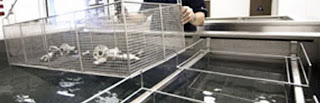
After these various residues are removed, the next step to passivate the steel is to place it into a passivating solution. These are usually based on nitric acid, although there are alternative options including citric acid for a more environmentally friendly solution. These will vary in terms of temperature, the concentration of the nitric acid or other passivating agent, and the time that the steel must spend in this immersion. In general the period will range for anywhere from 20 minutes to an hour, depending on the concentration. There are many different variables to include in this length of time.

Another factor to consider when passivating stainless steel is the type of steel that you are using. Be sure to consult with an expert in this field if you have no experience with preparing industrial materials or using acid baths, because if you use the wrong solution or leave the steel in for too long of a time period, there could be negative results. This could include the entire piece of steel dissolving if you are not careful. For this reason, it's always important to get professional guidance or send off your mechanical parts for passivation by professional services.
tags: stainless steel passivate passivating passivation

()

Mon, 28 Nov 2011

4:45 AM - passivation - Protecting Stainless Steel

passivation Link

Unless you work with stainless steel or have a number of stainless steel items in your home, you likely know little about protecting the material. Some people believe there is no way to really protect stainless steel and that protection is often unnecessary. Stainless steel is a strong material, which is why it is such a popular material for making appliances and durable goods. Luckily, there are ways to protect your stainless steel against damage. Passivation is a chemical process that creates a barrier on stainless steel, protecting it from damage. The process protects against corrosion and is an excellent way to maintain the value of stainless steel materials.


Some metals naturally form passivation layers without any assistance from man. Over time, a layer forms and provides protection from damaging elements. It is possible to recreate this layer when a person wants to keep their stainless steel items in like-new quality. The natural formation is usually stronger than the man-made version, but man-made versions of protection do offer some barrier to corrosion. Acid is often used in the passivation of stainless steel tanks. It is used when the tanks are cleaned, creating layers of protection inside of the tanks.


If you want to passivate stainless steel, you want to create a surface of protection. The film on the surface of the steel causes the surface to lose its chemical reactivity. This is why it is such a popular option for tanks that hold chemicals. It lowers the corrosion rate which means the tanks are going to last longer. Companies can use non-passivated tanks, but in the long run it ends up costing them a lot more than if they had their tanks treated.


Passivation occurs when free iron, oxide scale, metal chips, iron particles and various other deposits affect a metal. This corrupts the stability of the surface. When you put dangerous chemicals into a container and these chemicals cause a reaction and mix with the steel, it can create dangerous breathing conditions and even explosions. Even if the chemical is not originally dangerous, mixing the chemical in an uncontrolled stainless steel container can make it dangers. The chemical interaction leads to a separate substance that is often much different than the original. This is why passivating stainless steel is such an important part of working with the metal. In order to protect steel from corrosion and maintain a safe storage environment, you need to do everything possible to create a protective passivated layer.

tags: passivating passivate steel passivation stainless

()