Mon, 14 May 2012

1:11 AM - Guide on how to prepare for your hernia repair


If you have recently discovered that you need to have hernia surgery, it is time to learn about how to prepare for the upcoming procedure. Before the day of surgery, your surgeon will perform a comprehensive medical exam to evaluate your health and review your medical history. In some situations, patients are required to undergo additional testing and x-rays depending on the severity of the hernia. After all of the testing is complete, your doctor will sit with you and explain the different risks and benefits that are associated with the procedure based on your exam. Make sure that you are armed with questions for your doctor and do not be hesitate to ask questions if you do not understand. Understanding the procedure you're about to undergo is important so that you can relax your body as much as possible.
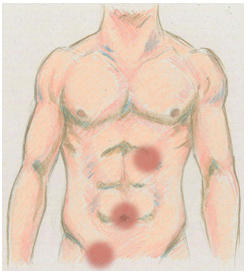


Recovery from abdominal hernia


Make sure that you explain to your doctor fully about all of the prescription and over the counter medications you take, as well as the daily supplements you take if any. This is crucial because some medications will interfere with the way the blood clots. Your surgeon will give you a list of specific instructions to help you prepare for hernia repair . This list will include guidelines about your diet and lifestyle. Following all of your doctors' instructions is extremely important to ensure a smooth surgery and recovery. In most cases, the following guidelines are given to patients before they undergo hernia surgery .

  • Refrain from eating or drinking anything after midnight on the night before the surgery. The only thing that can be ingested is any medications with a small sip of water that is permitted by the doctor.
  • The colon and intestines should be completely emptied and cleansed. In some cases, patients are required to only drink clear liquids for the days prior to surgery.
  • If you are a smoker, it is important that you stop smoking at least 6-8 weeks before surgery. People that smoke are shown to have a higher likely hood of breathing problems during surgery and have a delay in wound healing.
  • Patients must also plan for their aftercare and recovery. You will be unable to drive home yourself after surgery, so you should arrange to have someone to pick you up. You will also need time to rest and should see if a family member or friend can stay with you to help with daily activities.


Although this is a short guide on how to prepare for your hernia repair surgery, it does not substitute the expertise of a doctor. If you are showing symptoms of a hernia, get the advice of a doctor. Not all types of hernias need to be surgically repaired. If you catch it early enough, there may be other less invasive options to healing your hernia.

tags: hernia repair

()

Wed, 30 May 2012

3:55 AM - What to Expect after Hernia Surgery

When patients have to undergo hernia surgery, in most cases they can go home just a few hours after surgery, or first thing in the morning. However, if it is the case that the hernia operated on was a more complex case, staying in the hospital for a few days after may be required. A few days after hernia surgery , patients are feeling back to their normal selves and can return to their regular eating habits and activities. Be cautious though because even though you are allowed to engage in light activities, strenuous activities or exercises should be avoided for at least 4 to 6 weeks. Everybody is different and it is important that you follow the guidance of your surgeon.

hernia surgeon Los Angeles

While patients are recovering from hernia surgery, there are different things that can be done to make your healing from hernia repair as easy and comfortable as possible. Some of the activities that can be engaged in are:

  • Taking walks to stimulate blood flow through the body and avoid stiffness in the legs and back.
  • Keep the body hydrated by drinking a lot of water and other fluids.
  • Make sure to eat meals that fit a healthy diet full of vegetables and fiber,
  • Engage in light stretching exercises to avoid soreness in the muscles.

Many patients have reported that they see their surgical wounds begin to heal in about one to two weeks depending on the technique of surgery used on the hernia. Even though there is a quick response healing seen on the outside, the tissues that were repaired on the insides can take up to six months to completely heal. Although there is a heightened risk of a reoccurring hernia because the tissue is already week, there are some measures that can be taken during the healing process to avoid high risk of that.

Some of the measures that should be taken are:

  • Do not strain the body with heavy exercise or heavy weight lifting until you have been given the clear by your doctor.
  • Quit smoking if you are a smoker. Non-smokers have shown to have a healthier healing process after surgery.
  • When passing bowel movements, avoid straining at all costs. This could be why the hernia happened to begin with

Most importantly, during your hernia surgery recovery you should follow all of the instructions of your doctor. All of these things have been shown to help patients in particular cases, but everybody is different. Your doctor will give you a specialized recovery plan and will monitor your recovery with checkups until you are completely healed.

tags: surgery hernia

()

Fri, 8 Jun 2012

2:52 AM - Epigastric Hernia Surgery Advise

When a particular epigastric hernia comes about, it is normally basically because associated a tiredness in the stomach muscular tissue. This tired spot will allow for the skin of the abdomen to allow them to deal itself signifies the type of muscle mass. A number of often situations an epigastric hernia is always recent at inception and hernia repair surgery is considered in many cases asked for at a later time. In some instances, the hernia could very well cure of the stomach muscles begin to advance put together and strengthen. Like most the umbilical hernia, epigastric hernias are placed around the chest and middle button. 

Many often particular times, epigastric hernias are small and can only be come across when the lining of the abdomen pushes its way through that abdominal wall. In more terrible cases this is often not always the case. Sometimes, sections of an valuable body part will most likely even slip through the weak spot in the the wall creating a far more powerful problem for the affected person. 
When epigastric hernias are present in newborns it is likely to be almost impossible to actually consider that they have one. A powerful epigastric hernia will be able to not try to be really exposed unless the child is often stressing for their stool or howling. The hernia is likely to show also if the child is almost certainly involving in a kind of activity that really needs abdominal trigger. Clearly able to allow them to visibly spot the hernia keeps simple to use for doctors to diagnosis the hernia & most times to not need to order follow up medical tests. 

Yet, an epigastric hernia rarely adjust itself and after that takes hernia surgery for the actual full recovery. Unless the hernia is really extreme, such as the case http://socalhernia.com if a important and vital organ would have slipped through the stubborn abdominal muscle tissue, operation is always usually arranged off on up until the child is of a mature age. Typically, young babies usually tend not to do just fine in surgical treatment and that is why it is precious to hold on. Once the patient reaches an older age and is ready to undergo epigastric hernia surgery, it is crucial that doctors and parents make them feel as comfortable and worry free as possible.
 
General anesthesia is usually used on patients undergoing epigastric hernia repair and can be executed on an outpatient basis based upon on how major the hernia is. Most of the time the laparoscopic means is used for this type of hernia. A small camera is injected into an incision that is made near the hernia and an additional incision is made for the insertion of medical instruments. The herniated tissue is then isolated for the doctor to work with and change into its original location. Small hernias will usually stay in their repositioned location, but for heavier hernias a piece of hernia mesh will be placed over the rebuild to protected the fragile area.


tags: hernia surgery

()